Can Bouquet Pollen Trigger Allergies Indoors?
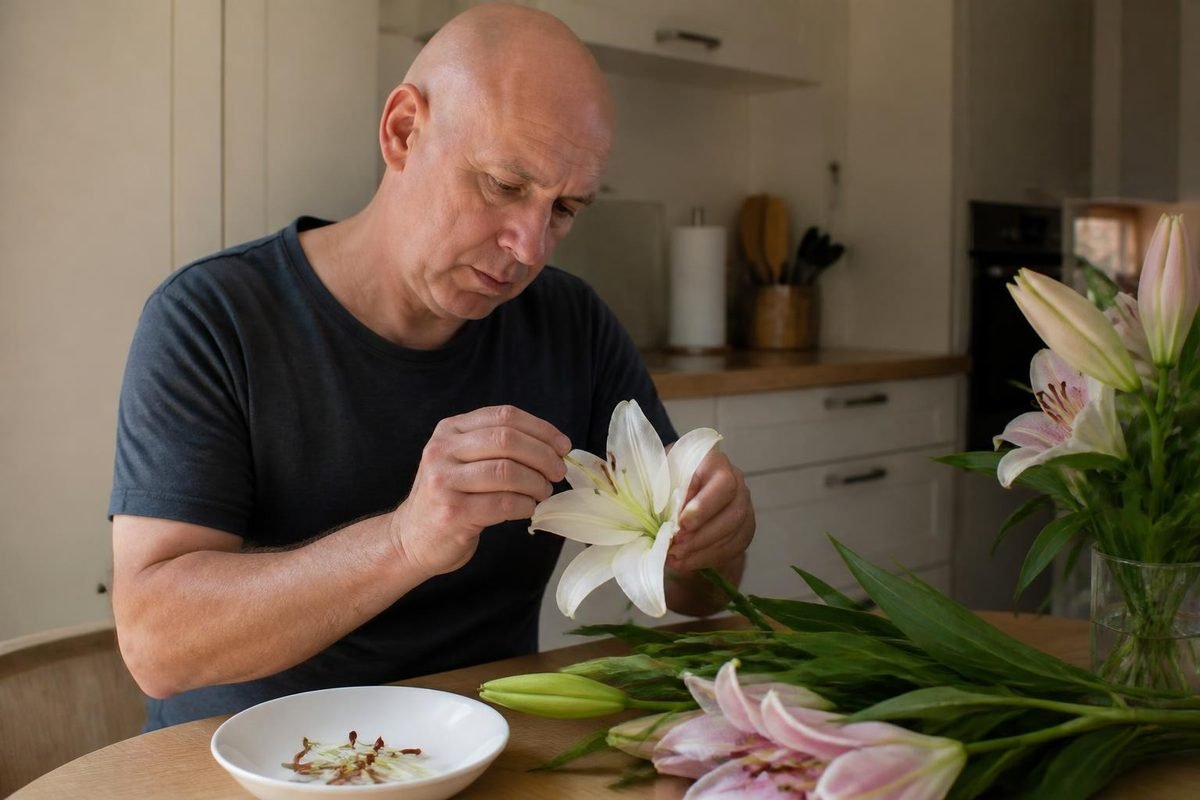
Yes, pollen from some bouquets can trigger allergy symptoms indoors, especially in people who are sensitive to that pollen. Flowers are not always the cause, though, because outdoor pollen, dust, mold and fragrance can also make a room uncomfortable.
How bouquet pollen reaches you
Flowers produce pollen as part of reproduction. If pollen is released into the air or transferred from petals and leaves to your hands, a sensitive person may notice sneezing, a runny nose or itchy, watery eyes.
Not every flower releases pollen in the same way. Many garden flowers rely on insects to carry their pollen, while plants such as grasses often release large amounts into the wind. A bouquet may also carry pollen from other plants on its leaves or wrapping.
Symptoms alone cannot tell you exactly what caused them. If you feel worse near a bouquet and better after it is removed, that is a useful clue, but it does not prove that flower pollen is responsible.
Choosing flowers with care
Some people find roses, orchids or tulips easier to have indoors than flowers with exposed pollen. Reactions vary, so a flower that suits one person may still bother another. Ask a florist about the flowers in a mixed arrangement if you are unsure what it contains.
Lilies have prominent anthers, the parts that hold pollen, and their pollen can transfer onto skin, clothing and furniture. Removing the anthers may reduce loose pollen, but it is not a guarantee that the arrangement will cause no symptoms.
Scent deserves separate attention. A strong floral smell can irritate some people or bring on a headache, even when pollen is not causing an allergy. An unscented or lightly scented arrangement may be more comfortable.
Simple steps to reduce exposure
- Choose a small arrangement first. Keep it away from the bedroom and notice how you feel around it.
- Ask for flowers with less exposed pollen, and avoid adding grasses if grass pollen is a known trigger for you.
- If handling lilies, carefully remove the anthers before they shed pollen. Avoid brushing them against clothing or soft furnishings, and wash your hands afterward.
- Change the vase water regularly, trim the stems and remove leaves below the waterline. Discard the bouquet if it becomes moldy or starts to decay.
- If symptoms begin, move the bouquet out of the room. Wipe nearby hard surfaces with a damp cloth and see whether the symptoms improve.
When to look beyond the flowers
Outdoor pollen can enter through open windows or come inside on clothing and pets. Dust and indoor mold can also cause allergy symptoms, so removing a bouquet may not resolve the problem if another trigger is present.
If symptoms keep returning, interfere with sleep or are difficult to control, speak with a healthcare professional. An allergy specialist can help identify triggers and discuss suitable treatment. Seek urgent help for severe symptoms such as trouble breathing.
A little observation can help you decide which flowers feel comfortable in your home. If a bouquet makes you feel unwell, it is reasonable to move it elsewhere or choose a different arrangement next time.
Related reading: more info